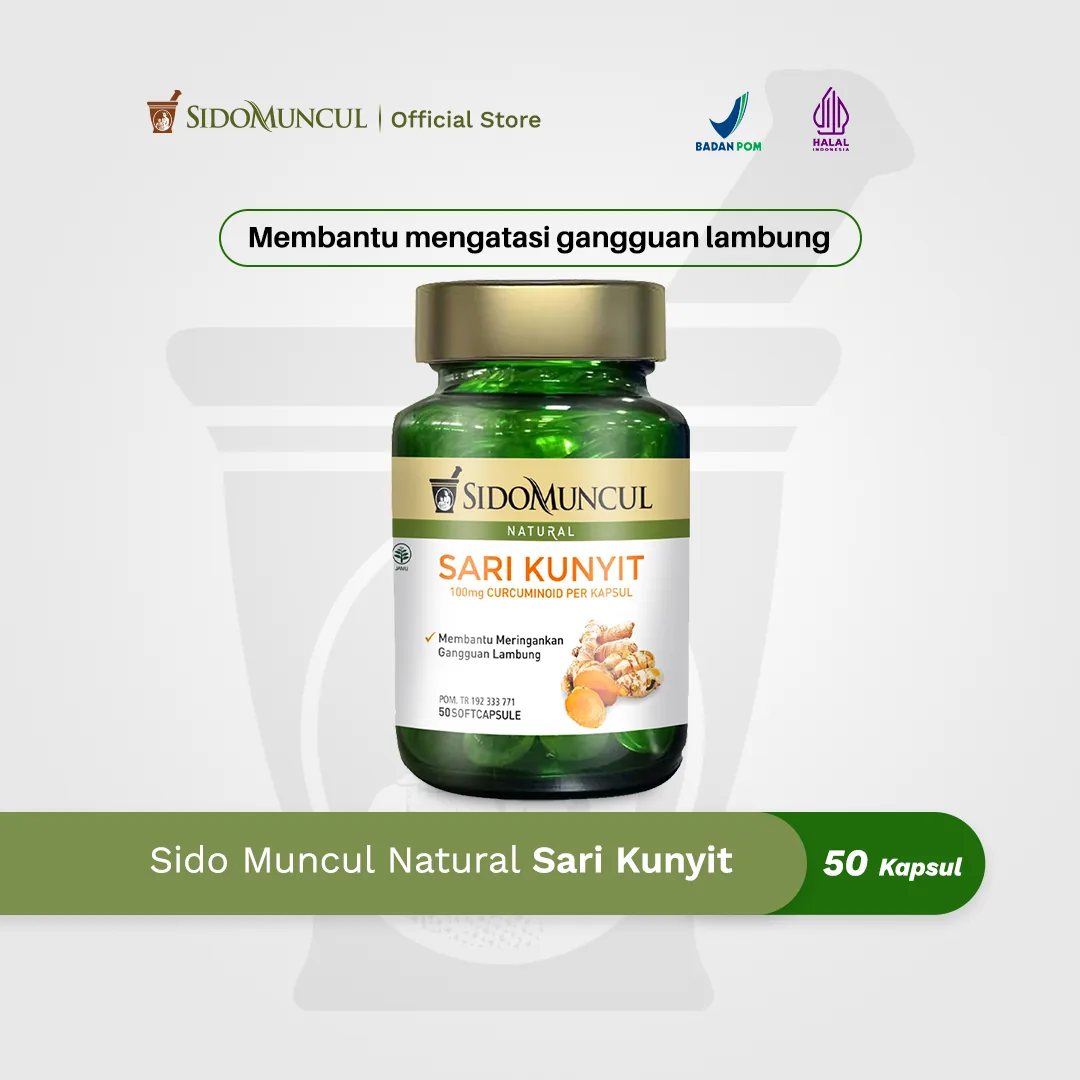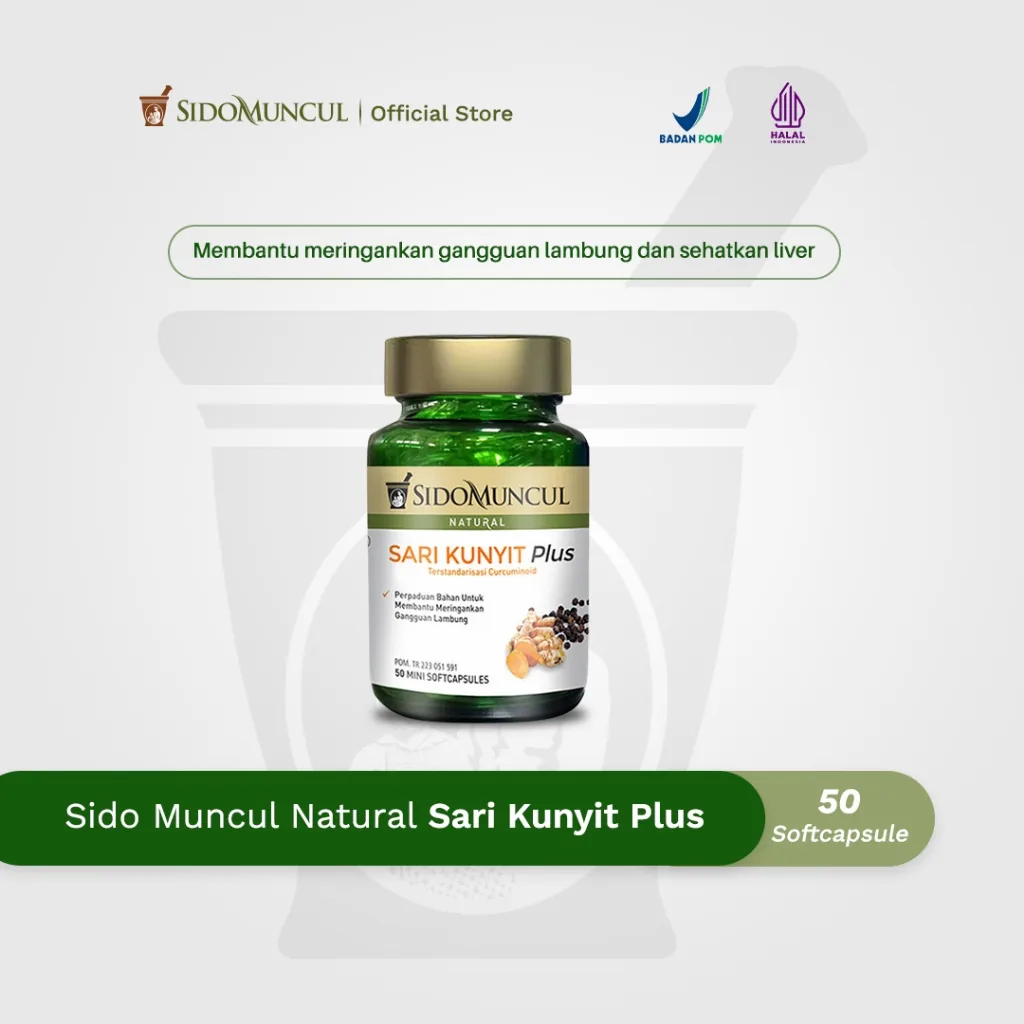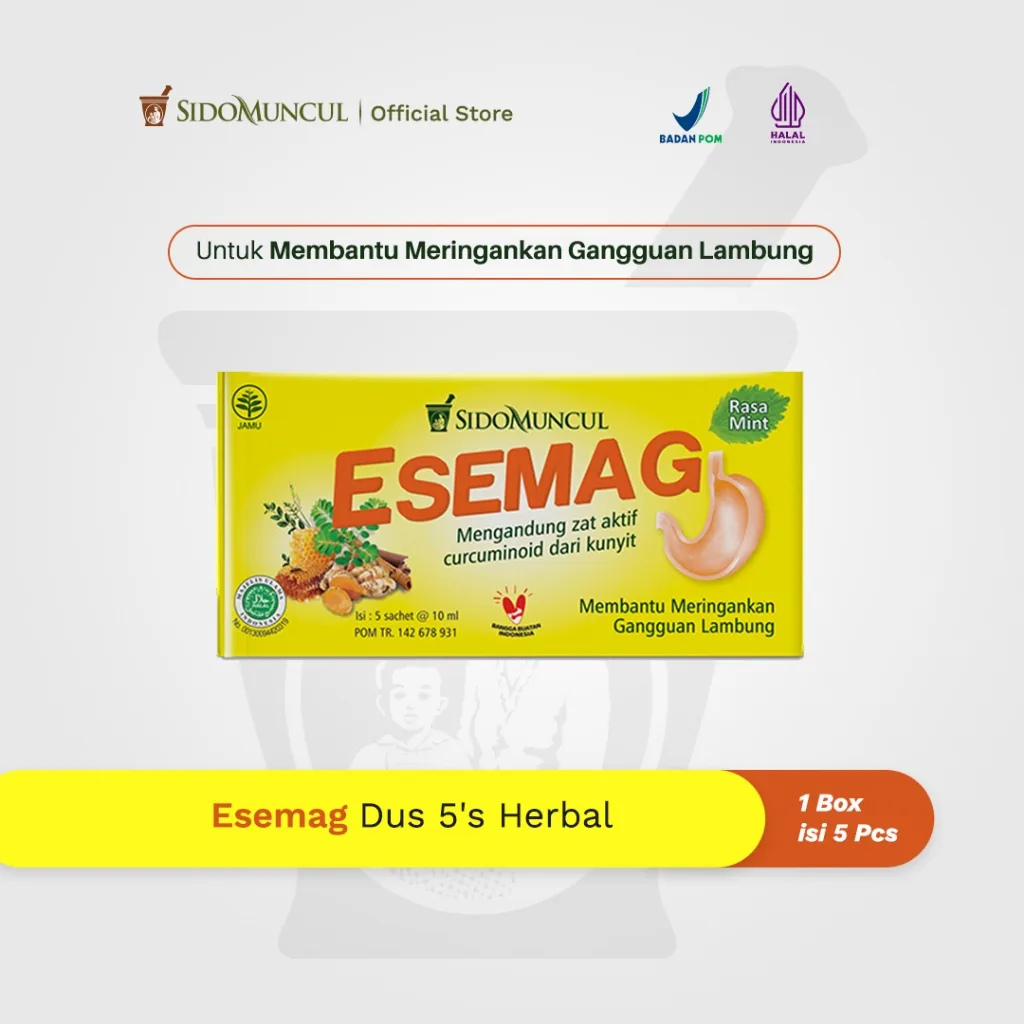
Turmeric Rhizome11
Curcuma domestica / Curcuma longa (Turmeric/Kunyit) is a native Indonesian plant that has been used since ancient times to treat stomach disorders such as bloating, ulcers, and other digestive problems.1 Apart from its medicinal uses, turmeric is also closely associated with our daily lives as a cooking spice and food coloring.
Morphology of Turmeric
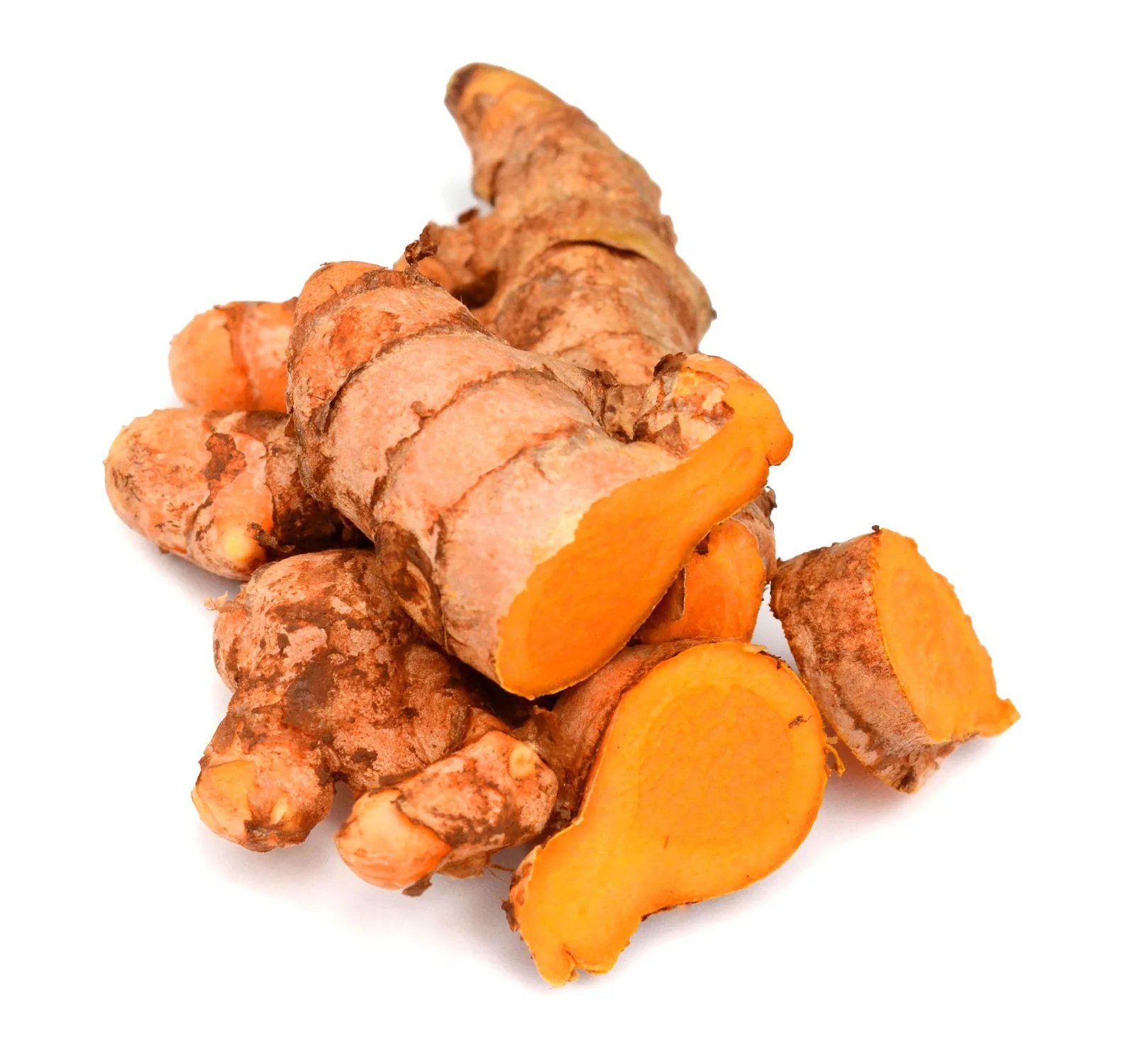
Turmeric rhizomes are orange to reddish or brownish in color. The rhizomes are oval-shaped and have auxiliary rhizomes. They consist of a main rhizome and branch rhizomes that are joined together in an oblong clump.
Turmeric Active Compounds
Turmeric rhizomes contain active compounds known as curcuminoids, which consist of 10% curcumin, 1–5% demethoxycurcumin, and bisdemethoxycurcumin. Among these compounds, curcumin is the most extensively studied and is often used as a standard compound for assessing the quality of turmeric rhizomes.2
Health Benefits of Turmeric
Digestive Health/Gastrointestinal Ulcers
Turmeric has activity gastroprotective namely protecting the mucous layer of the stomach so that it can help reduce stomach irritation.1The curcumin content in turmeric also helps repair damage caused by stomach acid rising into the esophagus, reduces inflammation in the stomach, and fights bacteria that cause stomach ulcers (Helicobacter pylori).3
Literature study:Subjects: 132 patients functional dyspepsia(stomach pain such as bloating and heartburn without a clear cause)
Research dosage: Curcumin (4x daily @500 mg) versus Omeprazole (1x daily @20 mg)
Duration: 4 weeks
Results: Satisfaction scores were higher in the curcumin group compared to the omeprazole group, although not significantly so. Curcumin can improve dyspepsia symptoms and improve quality of life., and provides satisfaction equivalent to Omeprazole in the treatment of functional dyspepsia.4
Mechanism of action of curcumin in protecting the esophagus and stomachg 10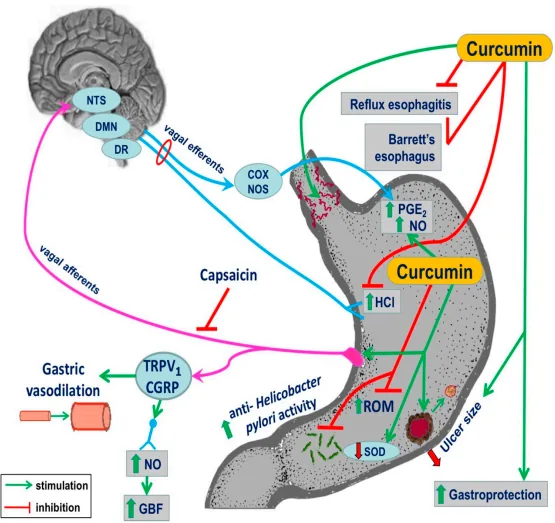
Anti-inflammatory
Curcumin works as an anti-inflammatory by suppressing the activity of inflammatory substances in the body. Curcumin also inhibits inflammatory reaction pathways within cells.5 Through its strong anti-inflammatory effects, curcumin is useful for helping to overcome various diseases caused by inflammation such as arthritis, pain, and aches.
Literature study:Subject:45 patientsRheumatoid arthritis(Arthritis), ages 18-65 years
Research dose: Curcumin (2x daily @500 mg) versus Diclofenac Sodium 2x daily @50 mg
Duration: 8 weeks
Results: Curcumin showed significant results in improving symptoms.Rheumatoid arthritissuch as swelling and joint pain compared to diclofenac sodium. Curcumin is generally safe and well tolerated in most subjects and does not cause side effects.6
Antioxidants
Turmeric and its curcumin content have powerful antioxidant effects, roughly comparable to vitamins C and E. Curcumin helps the body neutralize harmful substances such as free radicals and reactive oxygen species that can damage cells. Thus, curcumin can protect vital organs like the brain, liver, and kidneys from damage caused by oxidative stress.7Literature study:
Subjects: 46 NAFLD patients (Non alcoholic Fatty Liver Disease) aged 20 – 60 years
Research dose: Turmeric Powder (6x daily @500 mg)
Duration: 12 weeks
Results: Turmeric consumption can reduce complications of NAFLD (liver disease caused by metabolic disorders). This is observed through decreased blood sugar levels and the hormones that regulate fat and energy metabolism, namely insulin and leptin. By reducing these parameters, liver function improves because fat accumulation in the liver is reduced.8
Immunity
Curcumin can help balance the immune system by reducing pro-inflammatory cells and affecting the function of immune cells like helper T cells and regulatory T cells. This allows the immune system to be more controlled and prevent tissue damage.12
Subjects: ± 480 COVID-19 patients
Research dose: 80-950 mg/day
Duration 2–3 weeks
Results: Administering curcumin to COVID-19 patients has been shown to reduce inflammation in the body, increase the number of immune cells (lymphocytes), and help reduce the severity of symptoms and accelerate recovery.12
As much as 80% of the body's immune system is located in the digestive tract. It means, The digestive tract not only functions to absorb nutrients, but also as a natural defense barrier for the body to prevent the entry of viruses, bacteria, and pathogenic compounds (disease-causing).13In one study, consuming curcumin was shown to significantly increase the number and diversity of good bacteria in the gut, up to around 69%, compared to a placebo, which actually decreased the number.14 This diversity of gut microbiota can support the balance of the immune system.7
Safety
Based on literature studies, turmeric has demonstrated efficacy and safety in humans. However, one limitation is its relatively low bioavailability in the body. To increase absorption, one method is to combine it with other ingredients.with fat/lipid soluble ingredients and the addition of piperine from black pepper, which is known to optimize its use in the body.7,12
Turmeric is included in the Indonesian Original Herbal Medicine Formulary [Regulation of the Minister of Health of the Republic of Indonesia No. 6 of 2016] with indications for Gastritis, Dyslipidemia, Hepatoprotector, and so on.8FDA classifies it asGenerally Recognized as Safe (GRAS). There were no toxic effects after oral administration of 8,000 mg or 2.2 g of turmeric (equivalent to 180 mg of curcumin) per day for 4 months.9
Keywords:Turmeric; Curcumin; Stomach ulcer;Protecting the Stomach;Anti-inflammatory; Antioxidant
References
Mutmainah SR, Rahmawati N, Nugroho AE. Gastroprotective effects of combination of hot water extracts of turmeric (Curcuma domestica L.), cardamom pods (Ammomum compactum S.) and sembung leaf (Blumea balsamifera DC.) against aspirin-induced gastric ulcer model in rats. Asian Pac J Trop Biomed. 2014;4(Suppl 1):S500-S504. doi:10.12980/APJTB.4.2014C972.
Indonesian Food and Drug Authority (BPOM). Medicinal Plant Series: Turmeric. BPOM; 2006.
Prucksunand C, Indrasukhari B, Leethochawalit M, Hungspreugs K. Phase II clinical trial on effect of the long turmeric (Curcuma longa Linn) on healing of peptic ulcer. Southeast Asian J Trop Med Public Health. 2001;32(1):208-215.
Yongwatana K, Harinwan K, Chirapongsathorn S, et al. Curcuma longa Linn versus omeprazole in treatment of functional dyspepsia: A randomized, double-blind, placebo-controlled trial. J Gastroenterol Hepatol. 2022;37(2):335-341. doi:10.1111/jgh.15705.
Boroumand N, Saeed S, Seyed IH. Immunomodulatory, anti-inflammatory, and antioxidant effects of curcumin. Journal of Herbmed Pharmacology. 2018; 7(4): 211-219. doi: 10.15171/jhp.2018.33.
Chandran B, Goel A. A randomized, pilot study to assess the efficacy and safety of curcumin in patients with active rheumatoid arthritis. Phytother Res. 2012; 26(11): 1719-1725. doi:10.1002/ptr.4639.
Fuloria S, Mehta J, Chandel A, et al. A Comprehensive Review on the Therapeutic Potential of Curcuma longa Linn. in Relation to its Major Active Constituent Kurkumin. Front Pharmacol. 2022; 13(820806): 1-27. doi:10.3389/fphar.2022.820806.
Navekar R, Rafraf M, Ghaffari A, Asghari-Jafarabadi M, Khoshbaten M. Turmeric Supplementation Improves Serum Glucose Indices and Leptin Levels in Patients with Nonalcoholic Fatty Liver Diseases. J Am Coll Nutr. 2017; 36(4): 261-267. doi:10.1080/07315724.2016.1267597.
Ministry of Health of the Republic of Indonesia. Regulation of the Minister of Health of the Republic of Indonesia Number 6 of 2016 concerning the Indonesian Indigenous Herbal Medicine Formulary. Ministry of Health RI; 2016.
Kwiecien S, Magierowski M, Majka J, et al. Curcumin: A Potent Protectant against Esophageal and Gastric Disorders. Int J Mol Sci. 2019;20(6): 477. doi: 10.3390/ijms20061477.
Image: shutterstock.com
Abdelazeem B, Awad AK, Elbadawy MA, et al. The effects of curcumin as dietary supplement for patients with COVID-19: A systematic review of randomized clinical trials. Drug Discov Ther. 2022;16(1):14-22. doi:10.5582/ddt.2022.01017.
Juffrie M, Sudarmo SM, Bardosono S, Suryawan A, Hildayani R, Sungkar A. Digestive health: The beginning of healthy growth and development. Universitas Indonesia Publishing; 2018.
Peterson CT, Vaughn AR, Sharma V, et al. Effects of Turmeric and Curcumin Dietary Supplementation on Human Gut Microbiota: A Double-Blind, Randomized, Placebo-Controlled Pilot Study. J Evid Based Integr Med. 2018; 23. doi:10.1177/2515690X18790725.