Pumpkin1
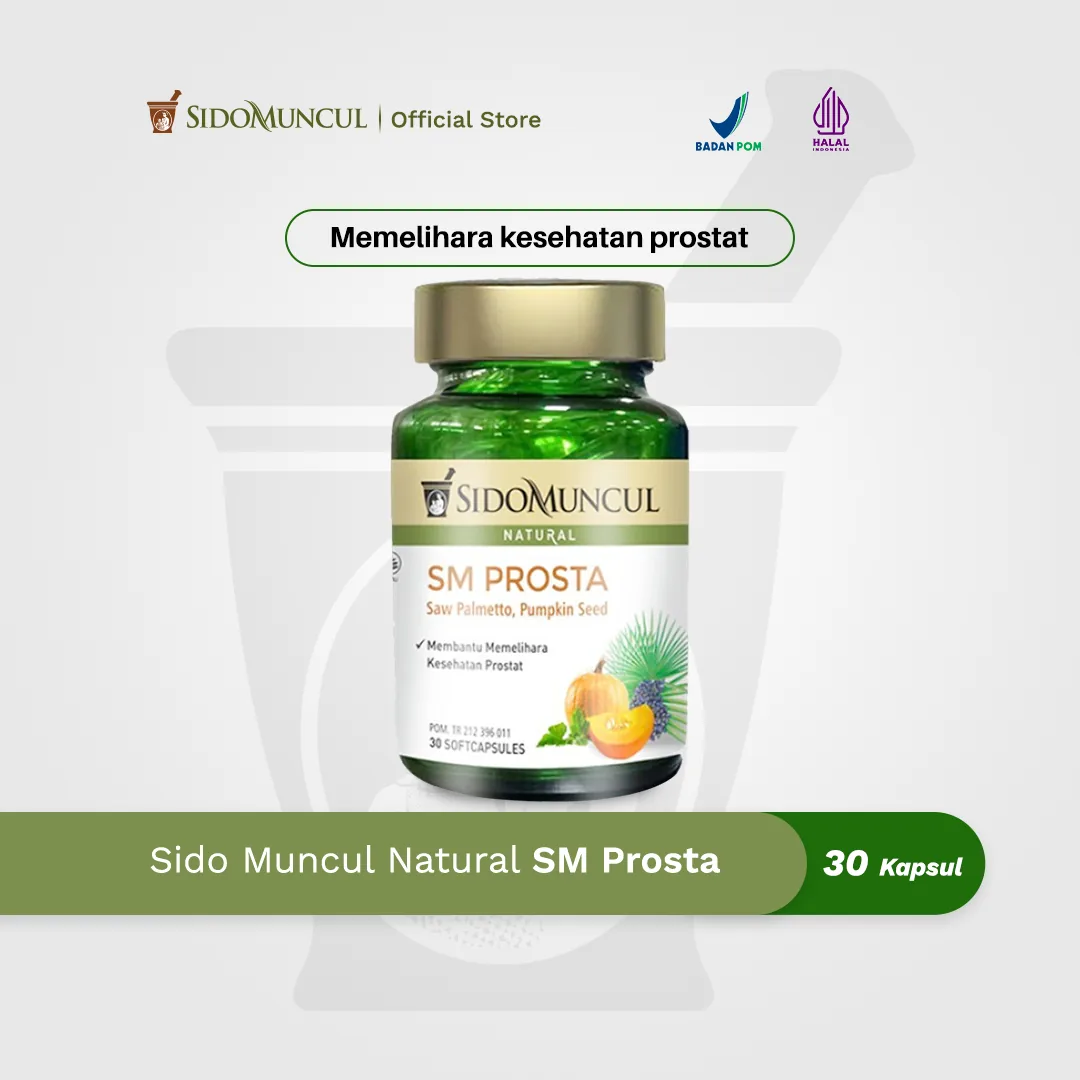
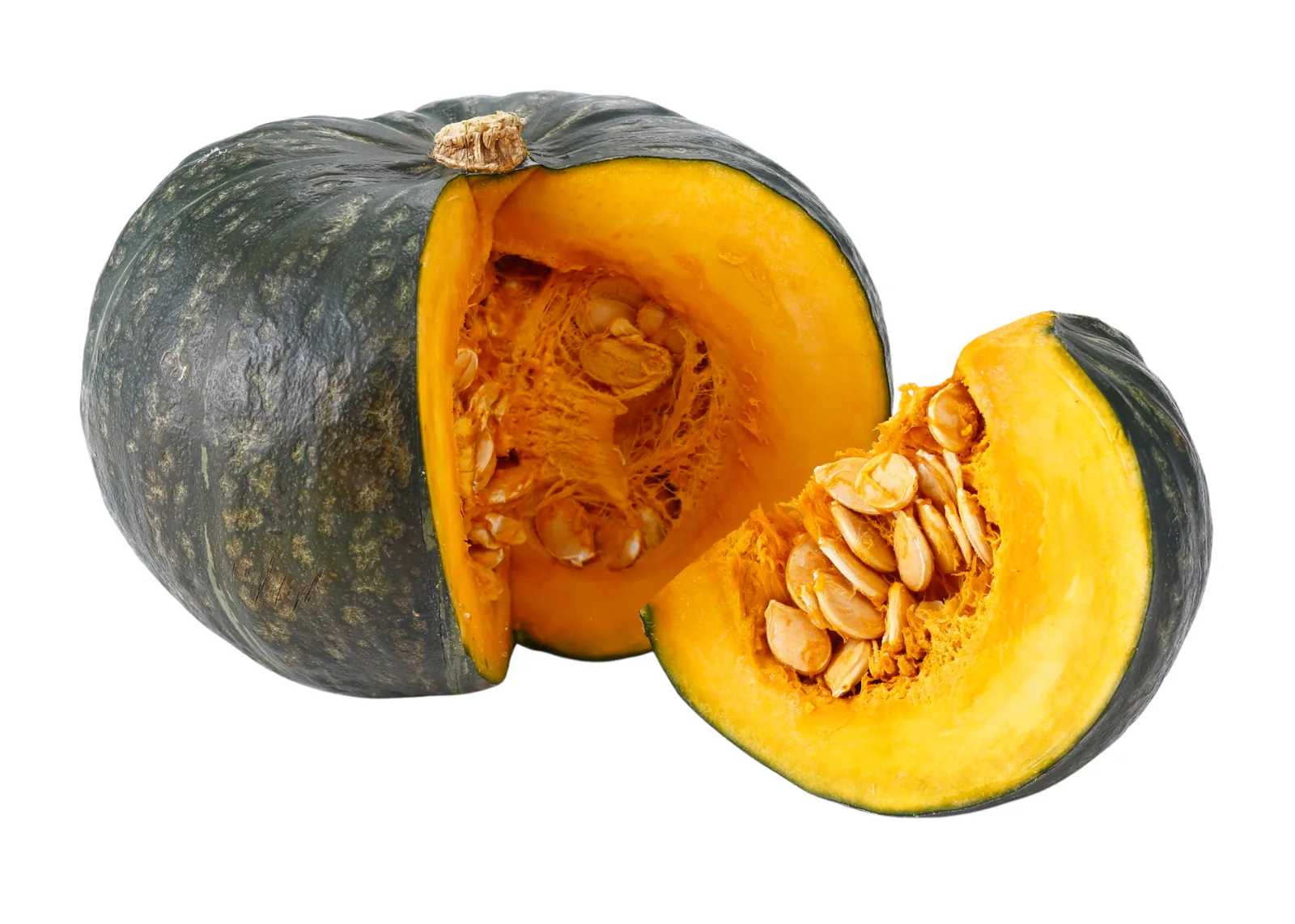
Pumpkin Seeds (Pumpkin, watermelon) rich in nutrients such as protein, fiber, vitamins, and minerals. Traditionally, pumpkin seeds have been used to treat urinary tract disorders, such as nocturia, frequent urination, and stress incontinence (difficulty holding urine). Additionally, pumpkin seeds are known as a natural treatment for Benign Prostatic Hyperplasia (BPH) and help address hormonal hair loss caused by an excessive response to androgens. Pumpkin seeds contain bioactive compounds that are lipophilic (fat-soluble), so they are more commonly utilized in the form of oil.3
Morphology of Pumpkin Seed
The seeds are oval-shaped, flattened, and narrower at one end, measuring up to 20 mm in length, 8–10 mm in width, and 2–3 mm in thickness. They consist of an embryo and a cotyledon, almost entirely covered by a dark olive-green membrane with a metallic sheen.
Pumpkin Seed Active Compounds
Pumpkin seed oil contains bioactive phytosterol compounds, particularly beta-sitosterol, which helps maintain prostate health.2
Health Benefits of Pumpkin Seeds
The compounds in pumpkin seed oil work by inhibiting the production of dihydrotestosterone (DHT), a hormone that can cause the prostate to enlarge. By reducing DHT, pumpkin seed oil helps prevent excessive prostate cell growth and keeps prostate cells naturally balanced.2 Excess DHT is also known to trigger hair follicle shrinkage in cases of androgenetic alopecia, or male- or female-pattern hair loss.
BPH Literature Study:
Subjects: 73 patients with BPH aged >50 years
Research dose: 360 mg of pumpkin seed oil (PSO) twice daily compared with tamsulosin (synthetic medication)
Duration: 3 months
Result: There was a significant reduction in the International Prostate Symptom Score (IPSS) and an improvement in quality of life in both groups. However, the reduction in IPSS was significantly greater in the tamsulosin group compared to the PSO group. The PSO group experienced no drug-related side effects, while the tamsulosin group experienced dizziness, headache, retrograde ejaculation, and erythema with pruritus.3
Literature Study Hormonal baldness:
Subjects: 76 men with androgenetic alopecia (hair loss caused by hormones and genetics)
Research dose: 400 mg of pumpkin seed oil (PSO) per day
Duration: 24 weeks
Results: Satisfaction scores in the PSO group were higher than in the placebo group. The PSO group had more hair after treatment compared to the placebo group. An average increase in hair count of 40% was observed in men treated with PSO.4
Safety
In clinical trials for BPH and androgenetic alopecia, no consistent serious side effects were reported. Pumpkin seeds are relatively safe and were well tolerated by all study participants.3
Keywords: Cucurbita pepo; Pumpkin seeds; Prostate health; Dihydrotestosterone; Androgenetic alopecia; Hormonal baldness; Urinary tract disorders
References
Image: Canva.com
Kang XC, Chen T, Zhou JL, et al. Phytosterols in hull-less pumpkin seed oil, rich in 7-phytosterols, ameliorate benign prostatic hyperplasia by lowering 5α-reductase and regulating balance between cell proliferation and apoptosis in rats. Food Nutr Res. 2021;65:10. doi:10.29219/fnr.v65.7537.
Zerafatjou N, Amirzargar M, Biglarkhani M, Shobeirian F, Zoghi G. Pumpkin seed oil (Cucurbita pepo) versus tamsulosin for benign prostatic hyperplasia symptom relief: a single-blind randomized clinical trial. BMC Urol. 2021;21(1):147. doi:10.1186/s12894-021-00910-8.
Cho YH, Lee SY, Jeong DW, et al. Effect of pumpkin seed oil on hair growth in men with androgenetic alopecia: a randomized, double-blind, placebo-controlled trial. Evid Based Complement Alternat Med. 2014;2014:549721. doi:10.1155/2014/549721
European Directorate for the Quality of Medicines & HealthCare (EDQM). European Pharmacopoeia 11th ed. Council of Europe; 2023.