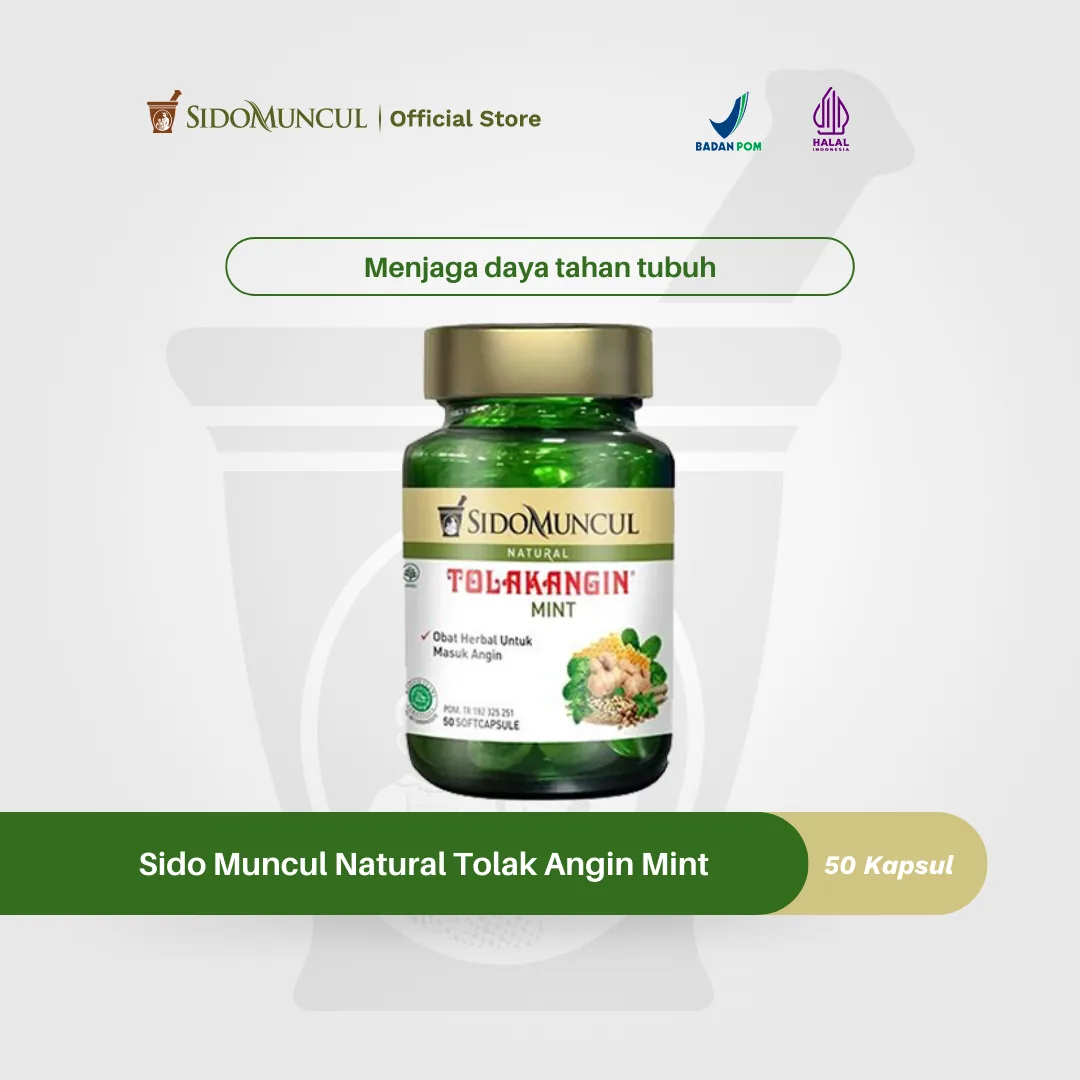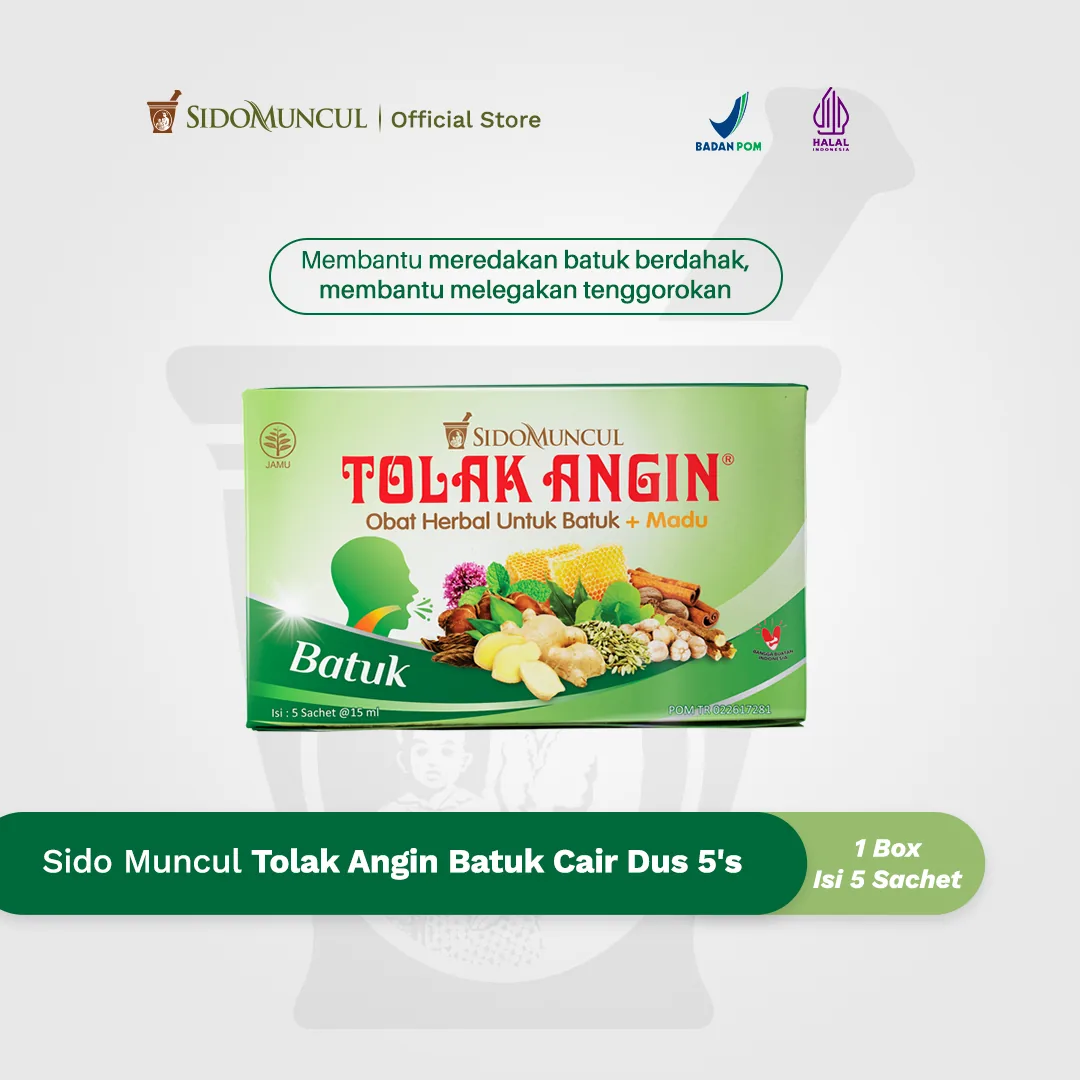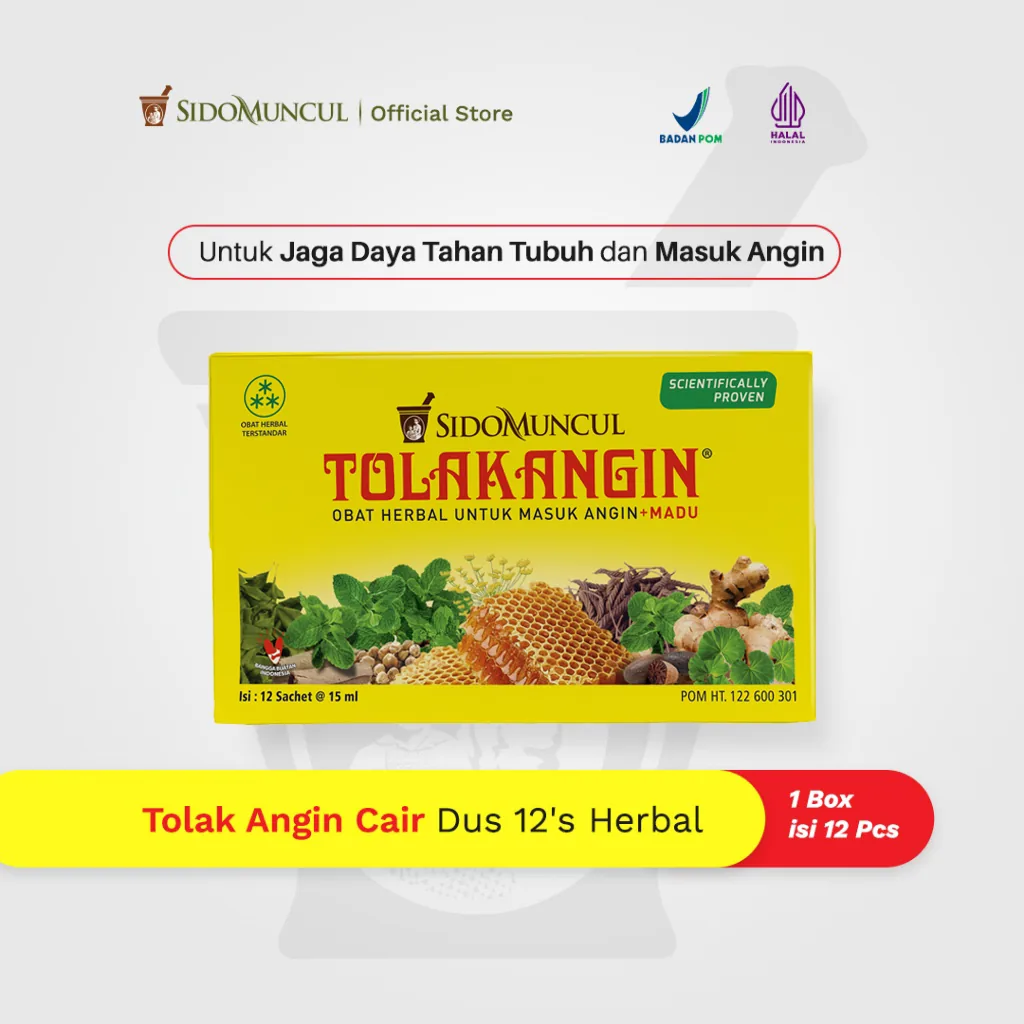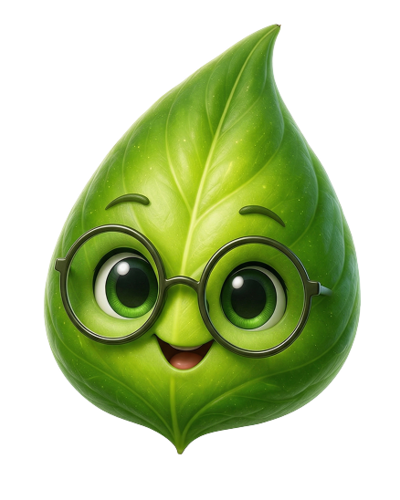
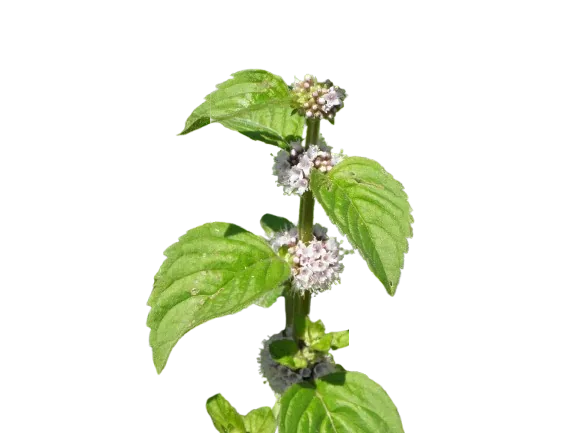
Mint leaves1
Mentha arvensis (Mint leaves), Also known as Japanese mint, this is a species of mint native to Japan and widely cultivated in temperate regions of Europe and Western and Central Asia, extending eastward to the Himalayas and Eastern Siberia.2 In Western cultures, mint oils such as peppermint and spearmint are used as stimulants and to relieve headaches and migraines associated with digestive issues.3,8
Morphology of Mint Leaves
Mint is an aromatic herb that can spread and grow to about 60 cm. Its leaves are arranged oppositely, are lance-shaped, and have serrated edges. The upper surface of the leaves is slightly hairy, while the underside is smooth. The leaves are small with short petioles and lack specialized bracts.9
Mint Leaves Active Compounds
Mint leaves contain 1–2% essential oil, with menthol being the primary component. Due to its high menthol concentration, Japanese mint leaf oil is often used as the base material for producing pure menthol.3
Health Benefit of Mint Leaves
Utilization mint oil very widely used, traditionally as an aromatic, appetite stimulant, stimulant, antiseptic, to treat digestive disorders, flu/cold symptoms, and pain reliever.3
Menstrual Pain
Subjects: 30 adolescent girls with dysmenorrhea (menstrual pain)
Dosage: 5-10 fresh Mint leaves extracted with 450 ml of water
Duration: 1x administration during menstrual pain, assessment is carried out after intervention on the same day.
Result: Extract Mentha arvensis significantly reduced menstrual pain levels compared to pre-treatment levels. Furthermore, complaints of dizziness during menstruation also decreased.4
Anti-nausea
Subjects: 10 pregnant women, aged 18-38 years with complaints of nausea and vomiting (morning sickness)
Dosage: 1 gram of Mint leaf tea powder brewed in 150 ml of warm water, 2x a dayDuration: 4 days
Results: Reduced morning sickness, which is common among pregnant women. Pregnant women reported a pleasant aroma and improved stomach feeling after drinking mint tea.5
Relieves breathing
There is case study Mr. A (a pulmonary TB patient at Dr. Soekardjo Regional Hospital) was given Mint leaf aromatherapy inhalation therapy for 3 days. The therapy was carried out by simple inhalation, namely inhaling warm steam from boiling water (temperature 42-44°C) mixed with Mint leaf aromatherapy. Inhalation was given once a day for a duration of 5 minutes. After 3 days, shortness of breath decreased and the respiratory frequency improved from the initial 27x/minute to 22x/minute. The aroma of Mint leaves has relaxing properties that can help reduce tension in the airways and respiratory muscles.6
Safety
Mint leaves are relatively safe and pose no health risks when administered at appropriate therapeutic doses. Menthol, the main component mint oil, may cause allergic reactions (e.g., contact dermatitis, redness, and headache) and gastric complaints in susceptible patients.3,7
Keywords: Mentha arvensis; Mint Leaves; Menthol; Anti-Pain; Headache; Anti-Nausea; Relieves Breathing
References
Image: https://nationalorganics.com.np/product/mentha-essential-oil/
Thawkar, Baban, et al.Phytochemical and pharmacological review of Mentha arvensis. International Journal of Green Pharmacy. 2016; 10(2): 71-76.
Khan IA, Abourashed EA. Leung's Encyclopedia of Common Natural Ingredients: Used in Food, Drugs and Cosmetics. 3rd Edition. Wiley Publisher; 2014. ISBN 9881607418.
Haryanto W. Efektivitas Pemberian Ekstrak Daun Mint (Mentha Arvensis Linn.) dan Teknik Relaksasi Nafas Dalam terhadap Tingkat Nyeri Menstruasi pada Remaja Putri. Jurnal Kesehatan Kusuma Husada. 2020: 9-16. 10.34035/jk.v12i1.473.
Harahap HP, Oktafirnanda Y, Manggabarani S. Efektivitas serbuk jahe, aromaterapi lemon, teh daun mint terhadap emesis gravidarum trimester 1. Jurnal Riset Kebidanan Indonesia. 2020; 4(2): 84-90
Nurfadillah D, Brahmantia B, Badrudin U. Penerapan Inhalasi Sederhana Daun Mint Untuk Mengurangi Napas Terhadap Pasien TB Paru Pads Tn. A Di Ruang Aster RSUD Dr. Soekardjo Kota Tasikmalaya. SENAL: Student Health Journal. 2026; 3(1): 186-196.
Heber, D, Joerg G, Thomas B, Christof J. Physicians Desk Reference (PDR) for Herbal Medicines. 4th edition. Thomson Healthcare; 2007. ISBN 1-56363-678-6.
Chevallier A. Encyclopedia of Herbal Medicine. 3rd ed. DK Publishing; 2016. ISBN: 978-1-4654-4981-8.
La Dinh Moi. Mentha arvensis L. In: de Padua LS, Bunyapraphatsara N, Lemmens RHMJ, eds. Plant Resources of South-East Asia No. 12(1): Medicinal and Poisonous Plants 1. PROSEA Foundation; 1999. Accessed April 11, 2026. Available from: http://prota4u.org/prosea.