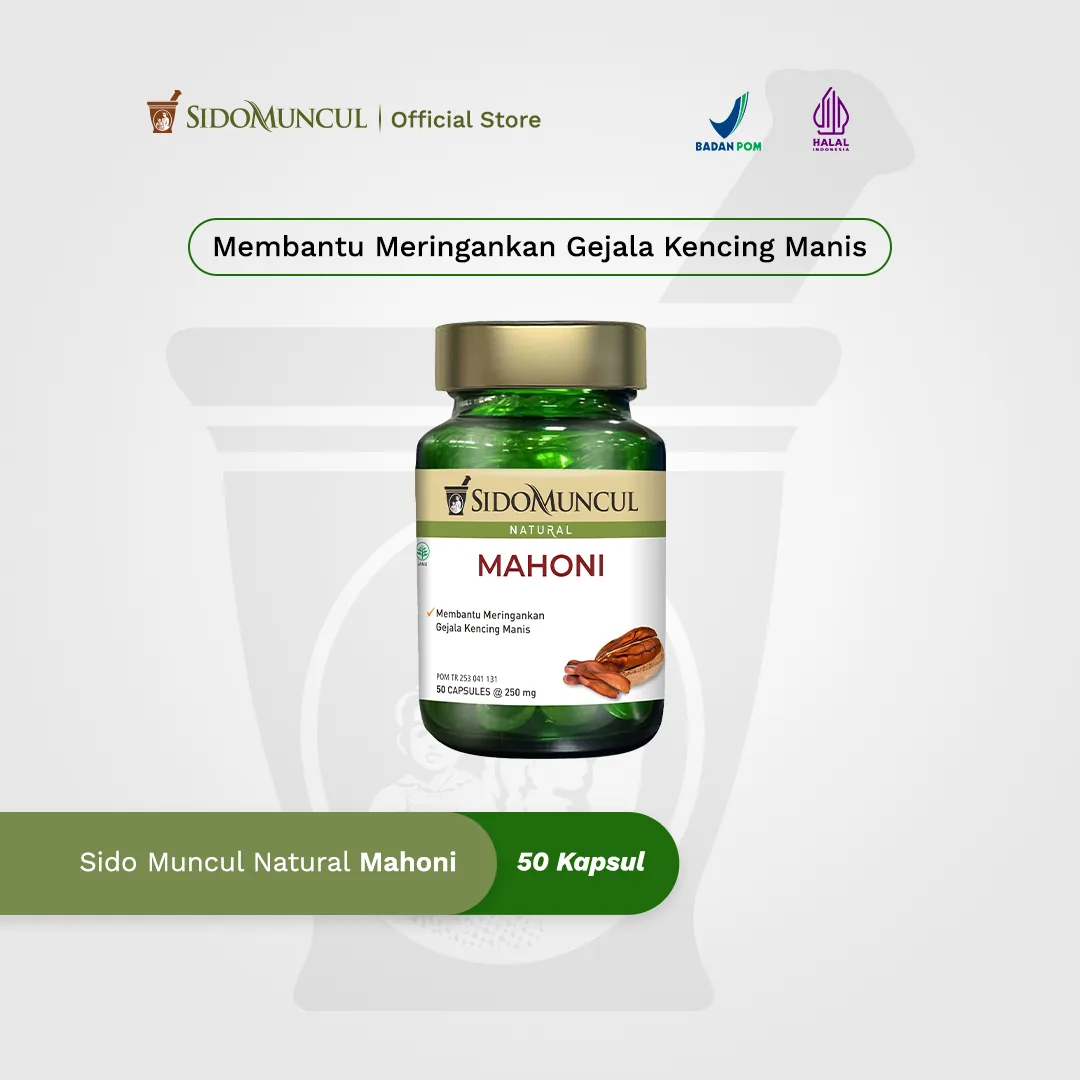
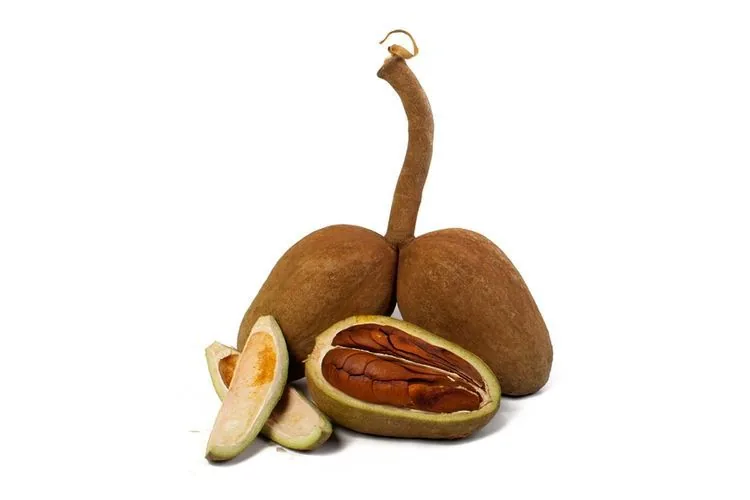
Mahogany seeds1
Mahogany seeds are used as a medicinal plant in India (Ayurvedic medicine), several African countries, Indonesia, and Malaysia. They are traditionally used to treat hypertension, diabetes, and diarrhea.2 One of the benefits of mahogany seeds that has been supported by several scientific studies is their antidiabetic effect.3,4
Morphology of Mahogany seeds
Mahogany seeds are 2–6 cm long. The seeds have wings that are long, round, and flat; the base of the wing is swollen, and inside is a white seed; the base of the wing is hard, wrinkled, and rough, while the tip is thin, smooth, blunt, or rounded; the wing is hollow and brown in color.
Mahogany Seeds Active Compounds
Mahogany seeds are rich in a variety of bioactive compounds. The compounds found in abundance in mahogany include flavonoids and triterpene derivatives such as swietenin and swietolide.2
Health Benefits of Mahogany
The flavonoids in mahogany seeds act as antioxidants, delay the absorption of blood sugar, and help repair pancreatic beta cells and stimulate insulin secretion. Additionally, the compounds swietenin and swietolide have the potential to inhibit the reabsorption of glucose in the kidneys, thereby allowing blood sugar levels to be controlled more effectively.3,4
Literature Study:
Subject: 50 patients with Diabetes Mellitus aged 40 – 60 years.
Research dose: 2 grams of Mahogany seed powder twice daily
Duration: 3 months
Results: There was a significant reduction in fasting and postprandial blood sugar levels as well as HbA1C levels.5
Subjects: 64 type 2 DM patients
Duration: 21 days
Results: Blood glucose levels decreased after administration of mahogany seeds from >200 mg/dL to 90–199 mg/dL. Mahogany seeds reduced blood glucose levels by a more significant amount (81.5 mg/dL) compared to the glimepiride control group (64 mg/dL).3
Safety
Based on the results of toxicity studies in laboratory animals, Mahogany seeds demonstrated a safe to mild toxicity range. Meanwhile, based on the results of the previously cited clinical studies, no significant side effects have been observed.2,3,5
Keywords: Swietenia mahagoni;Mahogany Seeds; Swietenin; Swietolide; Antidiabetic
References
Image: Shutterstock
Sukardiman, Ervina M. The recent use ofSwietenia mahogany (L.) Jacq. as antidiabetes type 2 phytomedicine: A systematic review. Heliyon2020;6(3):e03536. doi:10.1016/j.heliyon.2020.e03536.
Yudhani RD, Nugrahaningsih DA, Sholikhah EN, Mustofa M. The Molecular Mechanisms of Hypoglycemic Properties and Safety Profiles ofSwietenia Macrophylla Seeds Extract: A Review. Open Access Macedonian Journal of Medical Sciences. 2021; 9. 370-388. doi: 10.3889/oamjms.2021.6972.
Astuti, A, Antriana N, Zelpia.Mahogany B. Mahogany Seeds (Swietenia mahagoni) Lower Blood Glucose in Type II Diabetes Mellitus.Journal of Applied Science and Technology.2018; 11(3): 187-193.
Rai S, Rai A, Ghosh S, Ravte EK, Hazra J. A Clinical Study on Role of Mahagoni (Swietenia Mahogany) in The Management of Madhumeha (Diabetes Mellitus). Acta Biomedical Science. 2016; 3(4): 219-222.