Lingzhi1
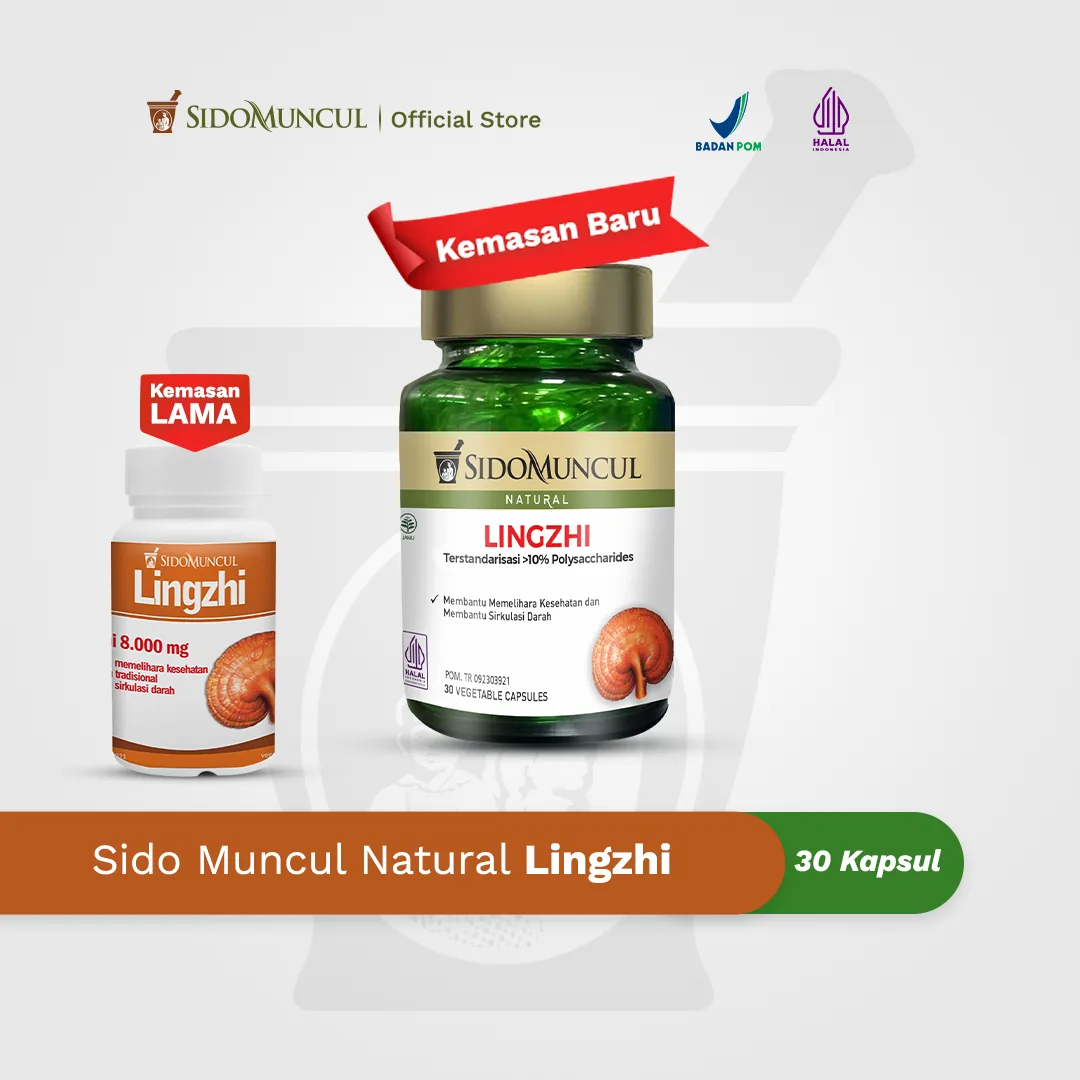
Ganoderma lucidum (Lingzhi) is a type of wood-growing mushroom known as a medicinal mushroom, used in traditional medicine in Asia, primarily effective in treating metabolic disorders. Lingzhi is used as a tonic in traditional Chinese medicine and has been documented in traditional Chinese medical texts such as Shen Nong's Herbal Classic and the Compendium of Materia Medica as an herb for vitality, anti-fatigue, anti-aging, and hepatoprotective properties.4
Morphology of Lingzhi
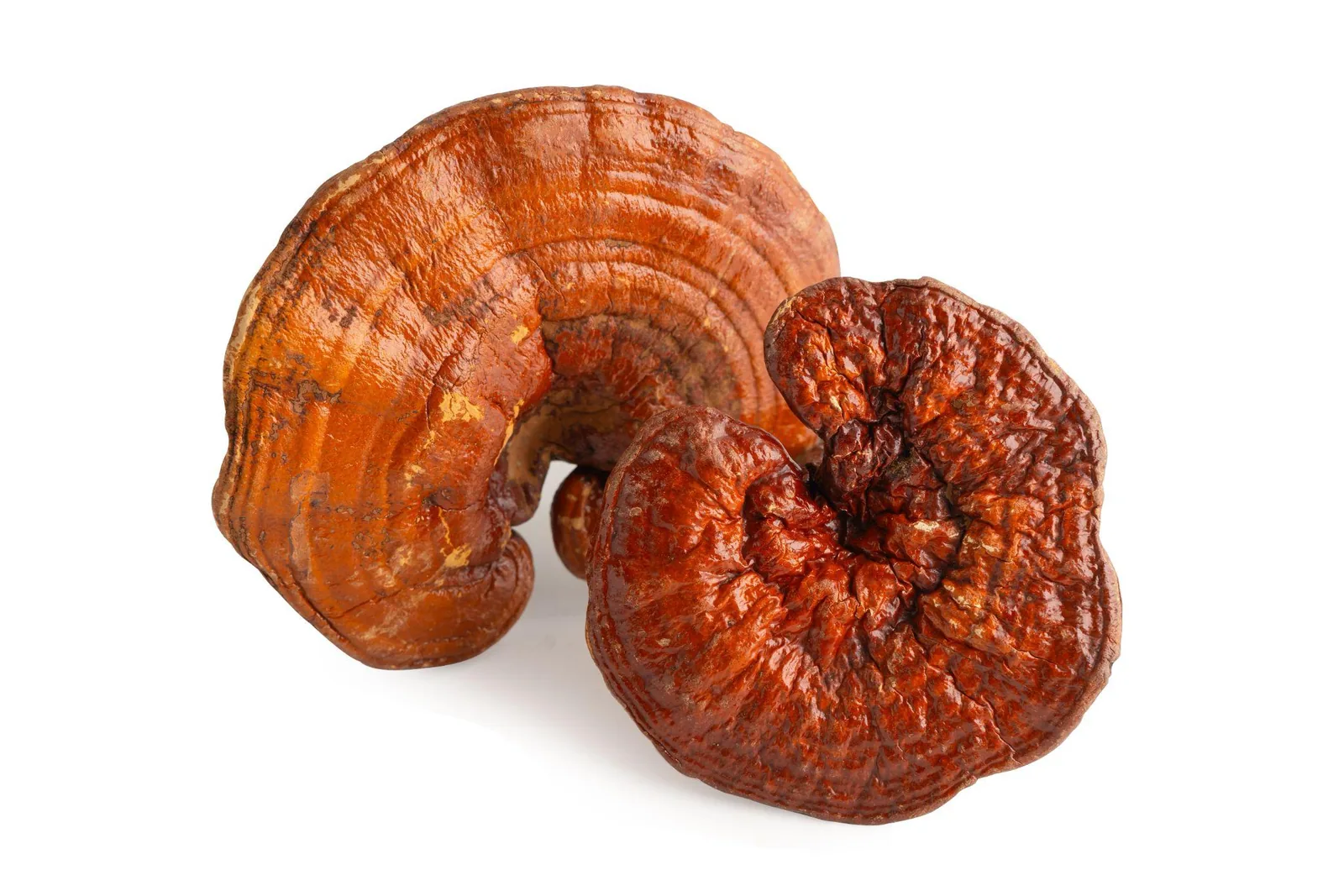
The Lingzhi mushroom consists of a stem (stipe) and a cap (pileus) with a hard, wood-like texture. When mature, the upper surface of the cap is covered with a glossy layer ranging in color from reddish-brown to purplish-brown, featuring circular and radial patterns. The stem is cylindrical, uneven, and slightly curved, with a height of about 7–15 cm and a diameter of 1–5 cm. The cap is usually asymmetrical (eccentric), kidney-shaped or somewhat round, with a diameter of 10–18 cm and a thickness of 1–2 cm.6
Lingzhi Active Compounds
Lingzhi content and pharmacological activities4
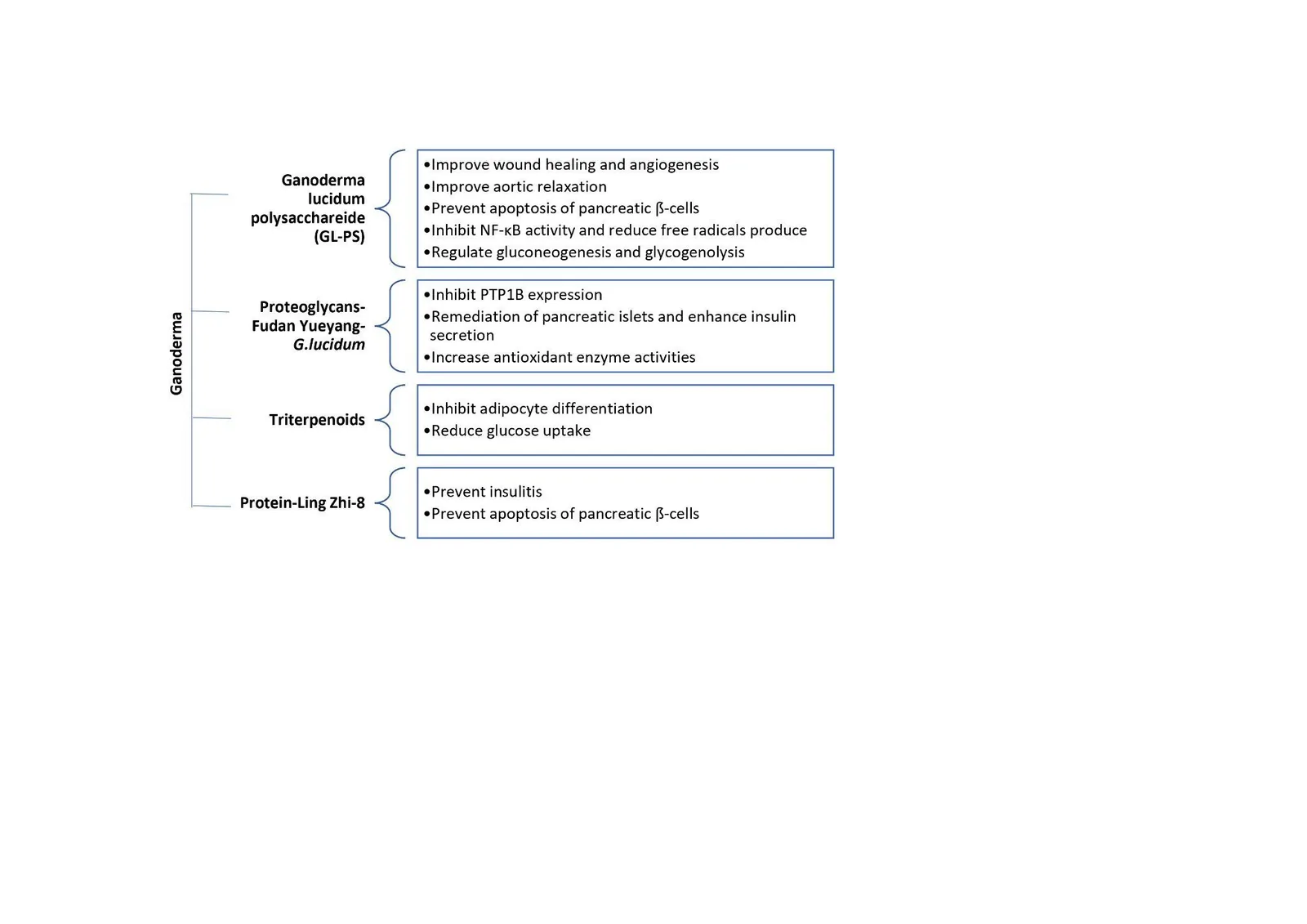
Lingzhi contains the primary compounds polysaccharides and triterpenoids, which account for most of its health benefits.4
Health Benefits of Lingzhi
Blood circulation & Heart
Lingzhi benefits blood circulation through two main mechanisms: inhibiting the synthesis of cholesterol or blood lipids, and its antioxidant and anti-inflammatory effects.2 The polysaccharides in Lingzhi possess antioxidant and anti-inflammatory properties that can be beneficial for vascular dysfunction and help repair damage.3Literature Study:
Subjects: 26 individuals with elevated blood pressure and cholesterol levels
Research dose: 2 capsules of Lingzhi extract twice daily (each capsule contains 360 mg of extract); the daily dose is equivalent to 13.2 g of fresh Lingzhi.
Duration: 12 weeks
Results: A trend toward reduced blood lipids was observed after 4 weeks of treatment in all participants. Triglyceride levels decreased, and HDL cholesterol levels increased. Insulin resistance decreased following treatment with Lingzhi compared to placebo.2
Subjects: 45 patients with a history of heart attack (STEMi and NSTEMI).
Research dose: 750 mg/day PsP (Polysaccharide Peptide dari Lingzhi)
Duration: 90 days
Results: PsP acts as a protector of the vascular endothelium by significantly reducing pro-inflammatory parameters and free radicals and improving vascular tissue repair parameters.3
Antidiabetic
Lingzhi polysaccharides can reduce insulin resistance, allowing the body to process sugar more efficiently. Overall, Lingzhi’s antioxidant and anti-inflammatory effects can improve glucose and lipid metabolism in diabetes.4Literature Study:
Subject: 71 adults with type 2 Diabetes Mellitus
Research dosage: 1,800 mg polysaccharide-rich Lingzhi extract taken 3 times daily (total 5,400 mg/day).
Duration: 12 weeks
Results: A reduction in blood glucose parameters was observed, both postprandial and fasting. Parameters indicating pancreatic function also improved and showed significant differences compared to the placebo. Overall, the treatment was safe and well-tolerated, with no serious side effects.5
Safety
Based on existing literature reviews, Lingzhi is well tolerated, and no significant side effects were observed in participants who consumed Lingzhi.2 Previous clinical studies have shown that Lingzhi supplementation in healthy participants is not associated with toxic effects on the liver or kidneys, nor was there any evidence of adverse hematological changes.3
Keywords: Ganoderma lucidum; Lingzhi; Polysaccharides; Blood Circulation; Heart Health; Antidiabetic; Vitality
References
Image: shutterstock.com
Chu TT, Benzie IF, Lam CW, Fok BS, Lee KK, Tomlinson B. Study of potential cardioprotective effects of Ganoderma lucidum (Lingzhi): results of a controlled human intervention trial. Br J Nutr. 2012;107(7):1017-1027. doi:10.1017/S00071145110037951.
Sargowo D, Rahmawati NA, Nugroho FW, et al. Endothelial Protective and Antioxidant Effect of Polysaccharide Peptide of Ganoderma lucidum in STEMI and NSTEMI Patients with Diabetes as a Risk Factor. Proceedings of the 2nd Health Science International Conference (HSIC). 2019:60-65. doi:10.5220/0009121700600065,
Liu Q, Tie L.Preventive and Therapeutic Effect of Ganoderma (Lingzhi) on Diabetes. Pharmacology and Clinical Application. 2019. doi:10.1007/978-981-32-9421-9.
Gao Y, Chen G, Dai X, Ye J, Zhou S. A Phase I/II Study of Ling Zhi Mushroom Ganoderma lucidum (W.Curt.:Fr.)Lloyd (Aphyllophoromycetideae) Extract in Patients with Type II Diabetes Mellitus. International Journal of Medicinal Mushrooms. 2004. 6(1).