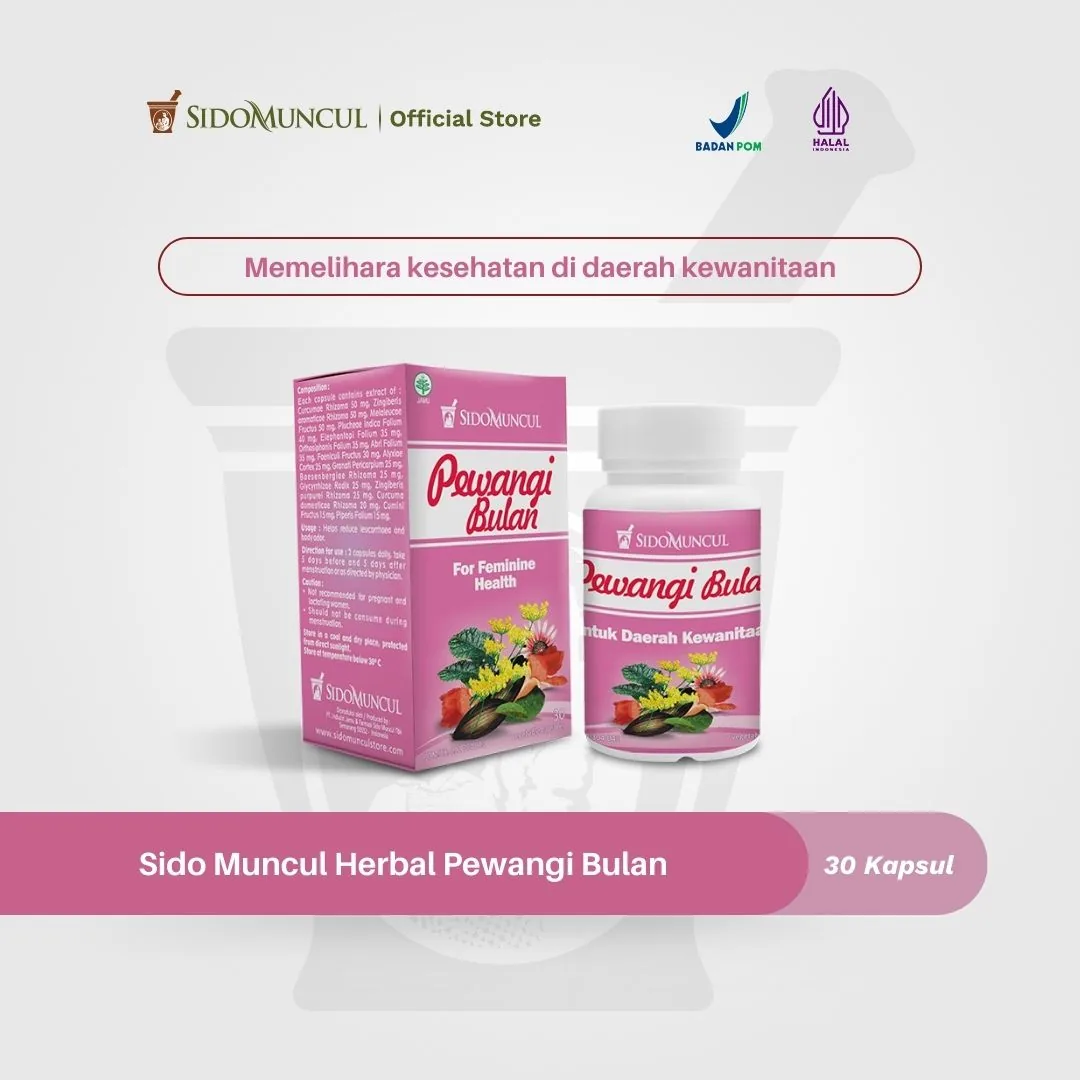
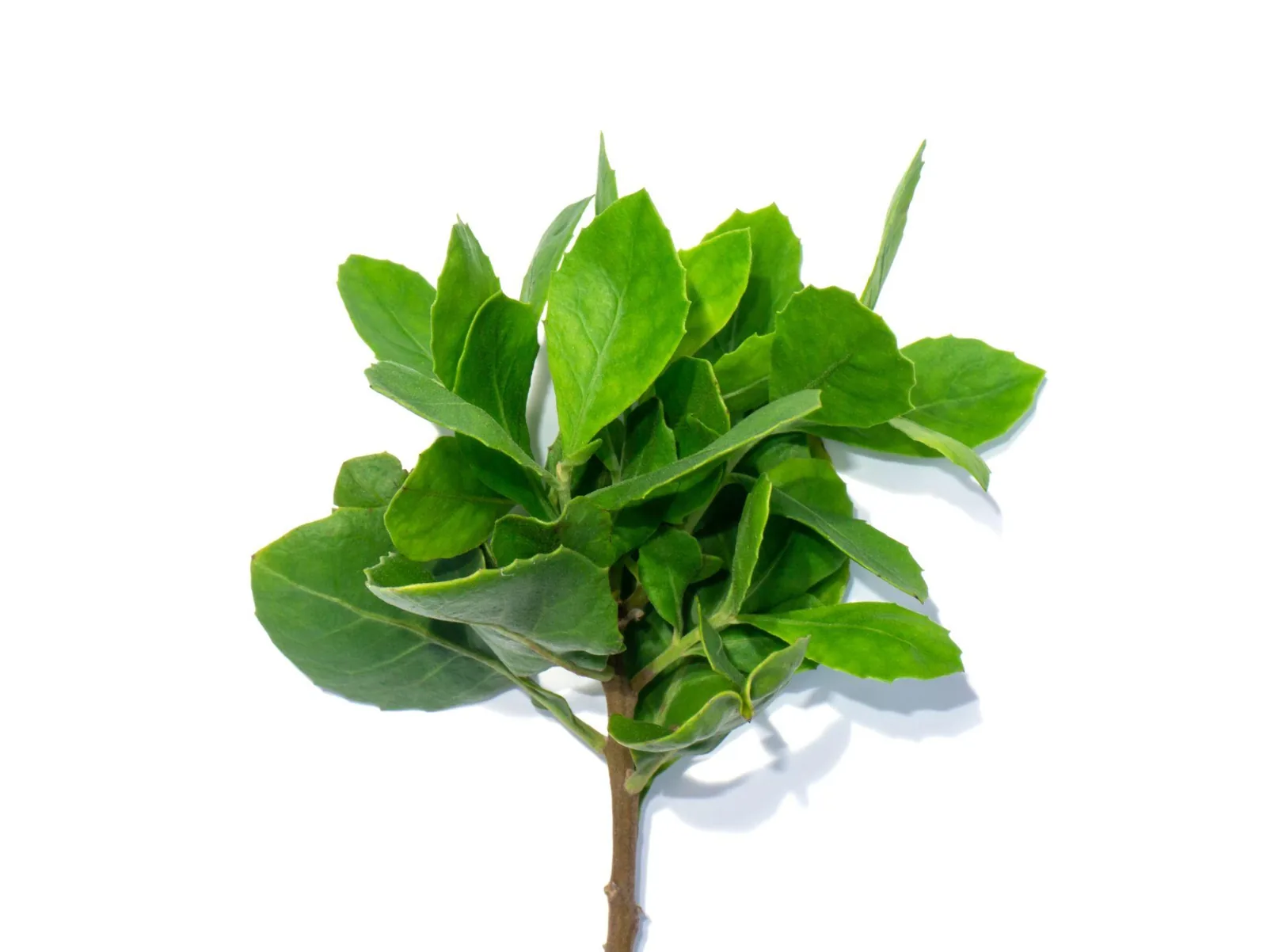
Beluntas Leaves1
Pluchea indica Leaf or Beluntas originates from India and has spread to southern China, Indochina, Thailand, Malaysia, Indonesia, Australia, and the Pacific Islands.1 In Indonesia, beluntas leaves are consumed to combat bad breath and body odor. In Malaysia, Indochina, and India, a decoction of the leaves, or the fresh leaves themselves, are used primarily as a remedy for fever, as a diuretic, and for stomachaches.6
Morphology of Beluntas Leaves
The leaves are green, stalked, and oval to oblong in shape, with a pointed base, sharply serrated margins, and a tapering tip; they have pinnate venation, and both surfaces are rough, with the midrib protruding on the underside.
Beluntas Leaves Active Compounds
The main components of Beluntas leaves are caffeoylquinic acid, phenolic acids, flavonoids,
Health Benefits of Beluntas Leaves
The main components of Beluntas leaves are caffeoylquinic acid, phenolic acids, flavonoids, and thiophenes, which possess antioxidant and antibacterial properties. The antioxidant properties of Beluntas leaves are considered strong, and their antibacterial effects can inhibit the growth of both Gram-positive and Gram-negative bacteria.2
Literature Study:
Subjects: 26 adolescent girls with body odor issues
Research dosage: Herbal remedy for body odor (containing: Beluntas leaf powder, betel leaf, ginger, and tamarind) 1 x 1 sachet (25 grams).
Duration: 14 days
Results: 92.3% of respondents in the intervention group no longer had unpleasant body odor. The study concluded that the herbal remedy, which includes Beluntas and betel leaves, is effective in reducing body odor. This is likely due to its antibacterial effects, particularly against Staphylococcus epidermidis, which often causes body odor.3
Safety
Beluntas leaves have a good safety profile. Animal toxicity studies have shown that administering a Beluntas leaf infusion at a dose of 600 mg/kg/day to rats did not cause any toxic effects on the kidneys, liver, or blood. A methanol extract of Beluntas leaves showed no signs of toxicity in rats at oral doses up to 3,200 mg/kg.4
Keywords: Pluchea indica;Beluntas; Caffeoylquinic; Antibacterial; Bad breath; Body odor; Stomachache.
References
Gambar: shutterstock.com
Chan E, Ng YK, Wong S, ChanH. Pluchea indica: An updated review of its botany, uses, bioactive compounds and pharmacological properties. Pharmaceutical Sciences Asia. 2022; 49: 77-85. doi: 10.29090/psa.2022.01.21.113.
Yuliana, Windiyati, Nurul A, Melyani, Alexander. Exploration of Potential Antibacterial Plants in Herbal Conditions Against (Staphylococcus Epidermidis) The Cause of Body Odor. The 4th Mitra Husada Health International Conference (MiHHICo). 2024; 4.
Ibrahim SRM, Bagalagel AA, Diri RM, Noor AO, Bakhsh HT, Mohamed GA. Phytoconstituents and Pharmacological Activities of Indian Camphorweed (Pluchea indica): A Multi-Potential Medicinal Plant of Nutritional and Ethnomedicinal Importance. Molecules. 2022;27(8):2383.. doi:10.3390/molecules27082383.
Kementerian Kesehatan Republik Indonesia. Farmakope Herbal Indonesia Edisi II. Kementerian Kesehatan RI; 2017.
Raharjo I, Horsten SFAJ. Pluchea indica (L.) Less. In: van Valkenburg JLCH, Bunyapraphatsara N, eds. Plant Resources of South-East Asia No 12(2): Medicinal and Poisonous Plants 2. PROSEA Foundation; 2001. Accessed April 10, 2026. https://prota4u.org/prosea.