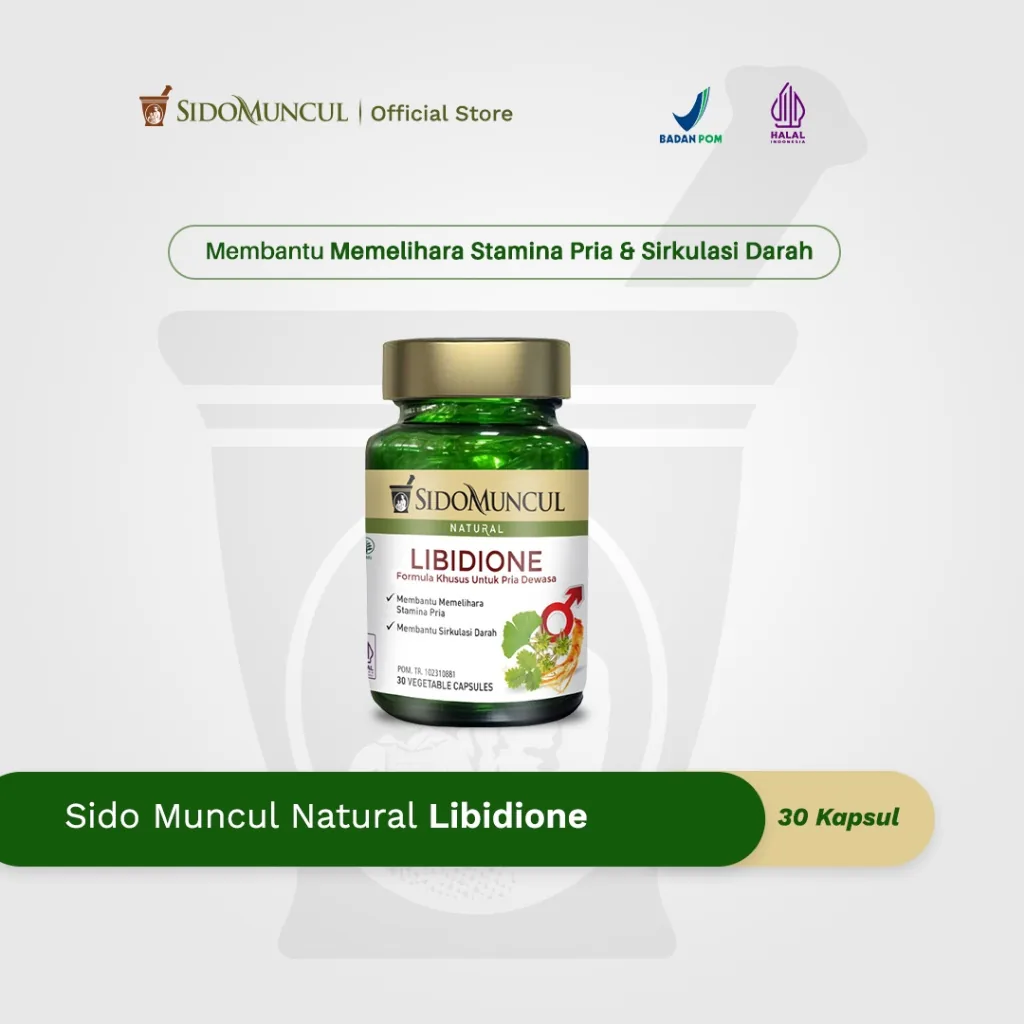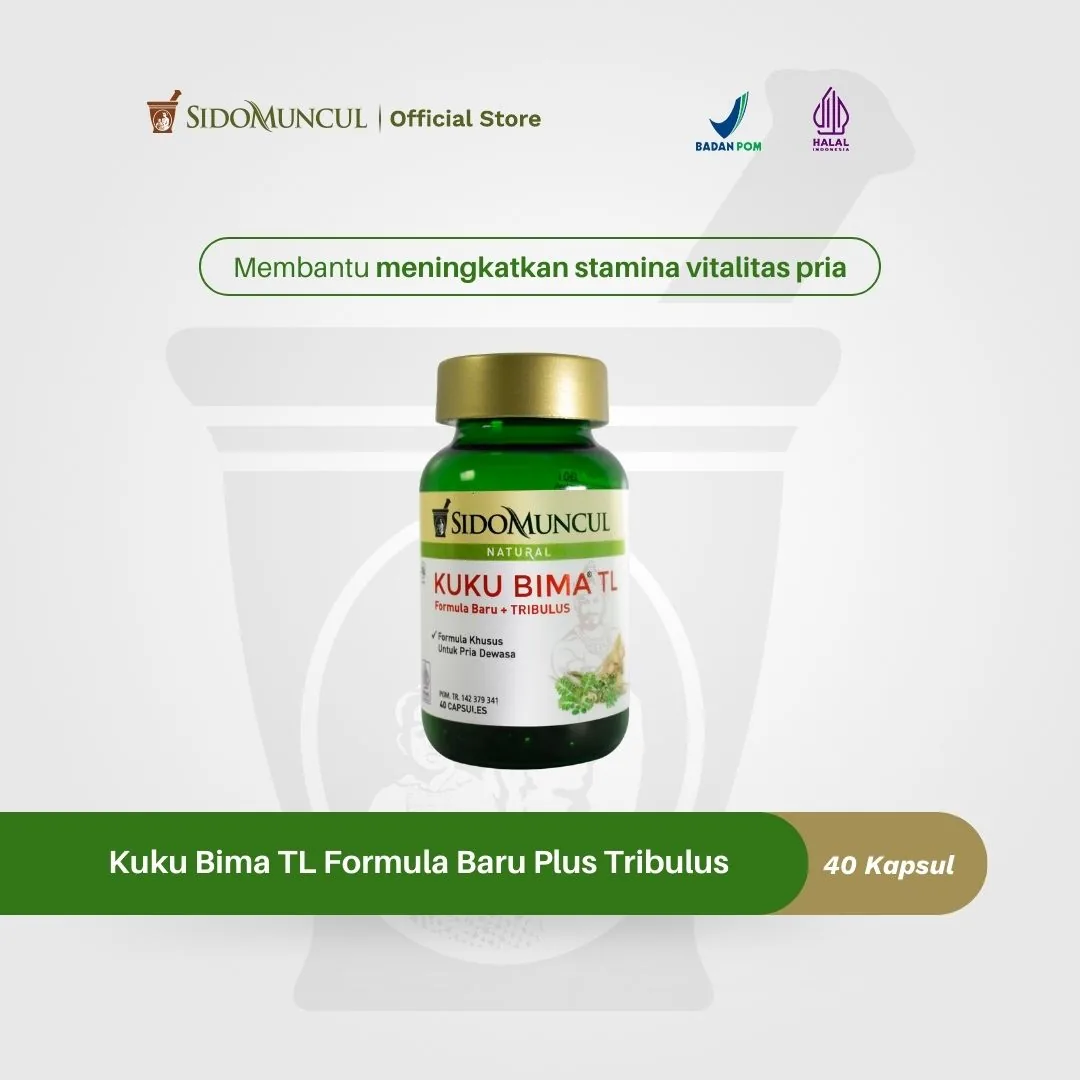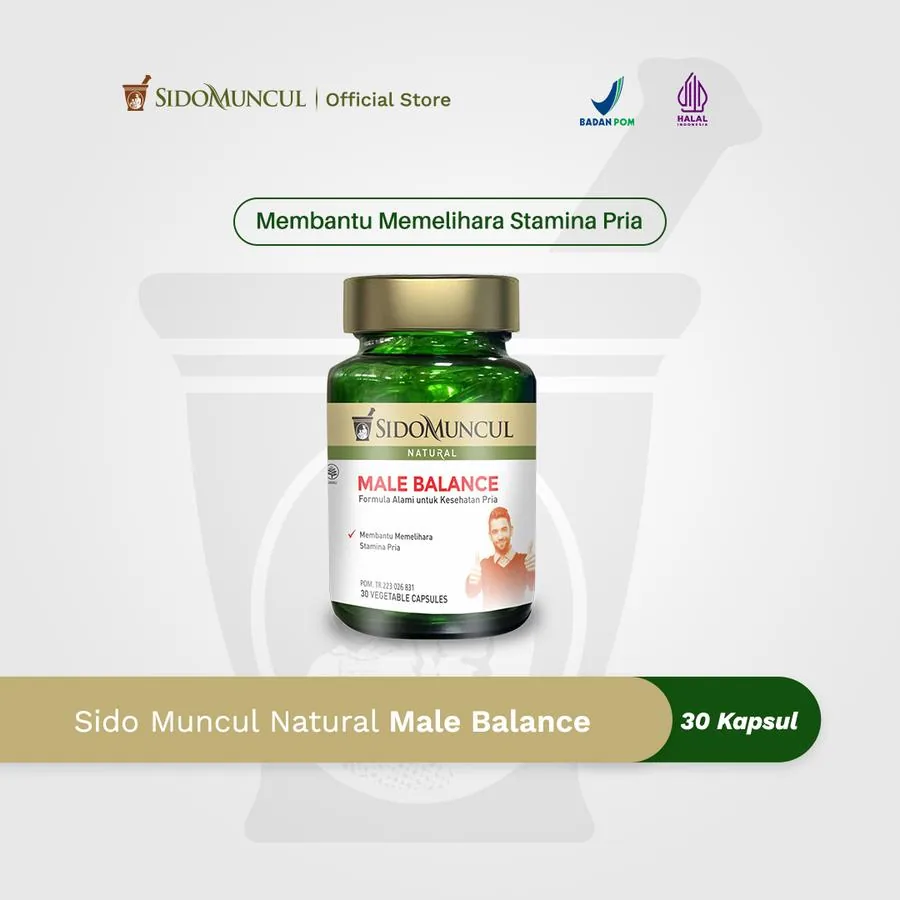

Ginseng Root1
Ginseng (Panax ginseng) has long been used as a medicinal plant. There are three types of ginseng: white ginseng, red ginseng, and black ginseng. Red ginseng is produced by steaming fresh ginseng at 95–100 °C for a sufficiently long period of time.2 Red ginseng (Hong Shen in Chinese) is Panax ginseng that has been specially processed so that it contains higher levels of saponins and ginsenosides compared to regular ginseng. Red ginseng can be used to help maintain stamina.2,3 Traditionally, ginseng has been used to treat impotence, prevent hepatotoxicity, and alleviate gastrointestinal disorders and rheumatism.6
Morphology of Ginseng
The ginseng plant is a perennial herb (living for more than one year) with distinctive branched roots that extend from the center of the main root, forming a shape resembling a human figure. The stem is erect, single, and unbranched.
Ginseng Active Compounds
Ginseng is primarily composed of ginsenosides, polysaccharides, phenols, and triterpenoid saponins. Of these, ginsenosides are considered the primary compounds responsible for ginseng’s pharmacological effects.2
Health Benefits of Ginseng
Red ginseng is reported to contain a wider variety of ginsenosides and higher concentrations than unprocessed white ginseng or common ginseng.3 One of the most well-known benefits of ginseng is its ability to boost stamina.
Literature Study:
Subject: 10 male track and field athletes
Research dose: Ginseng Powder 100 mg/kg
Duration: 8 days after training eccentric strength
Results: Ginseng increases muscle excitation and decreases the scale. Rating of Perceived Exertion (RPE) during exercise (measuring how hard the body works during exercise), and accelerates muscle strength recovery in athletes.4
Safety
Various studies on ginseng extract using several animal models have shown that no acute or chronic toxicity was observed. Ginseng is relatively safe and does not cause serious side effects when used at the recommended dosage. At high doses of up to 15 grams per day, side effects such as hypertension, restlessness, diarrhea, skin rashes, and insomnia have been reported.6
A literature review of a population of 1,000 people who consumed 2 g of red ginseng daily for 24 weeks showed that red ginseng is well tolerated. No significant abnormal changes were observed in anthropometric measurements, laboratory tests, or vital signs. The most common side effects reported were pruritus, diarrhea, and dizziness.5
Keywords: Red ginseng; Panax ginseng; Ginsenosides; Body stamina; Erectile dysfunction; Rheumatism
References
Photo: Shutterstock.com
Jin Y, Kim YJ, Jeon JN, et al. Effect of white, red and black ginseng on physicochemical properties and ginsenosides. Plant Foods Hum Nutr. 2015;70(2):141-145. doi:10.1007/s11130-015-0470-0.
Shin EJ, Jo S, Choi S, et al. Red Ginseng Improves Exercise Endurance by Promoting Mitochondrial Biogenesis and Myoblast Differentiation. Molecules. 2020;25(4):865. doi:10.3390/molecules25040865.
Munoz-Castellanos B, Martinez-Lopez P, Baillon-Moreno R, Esquius L. Effect of Ginseng Intake on Exercise-Induced Muscle Damage in Healthy Adults. Nutrients. 2024; 16(1):90. https://doi.org/10.3390/nu16010090.
Song SW, Kim HN, Shim JY, et al. Safety and tolerability of Korean Red Ginseng in healthy adults: a multicenter, double-blind, randomized, placebo-controlled trial. J Ginseng Res. 2018;42(4):571-576. doi:10.1016/j.jgr.2018.07.002.